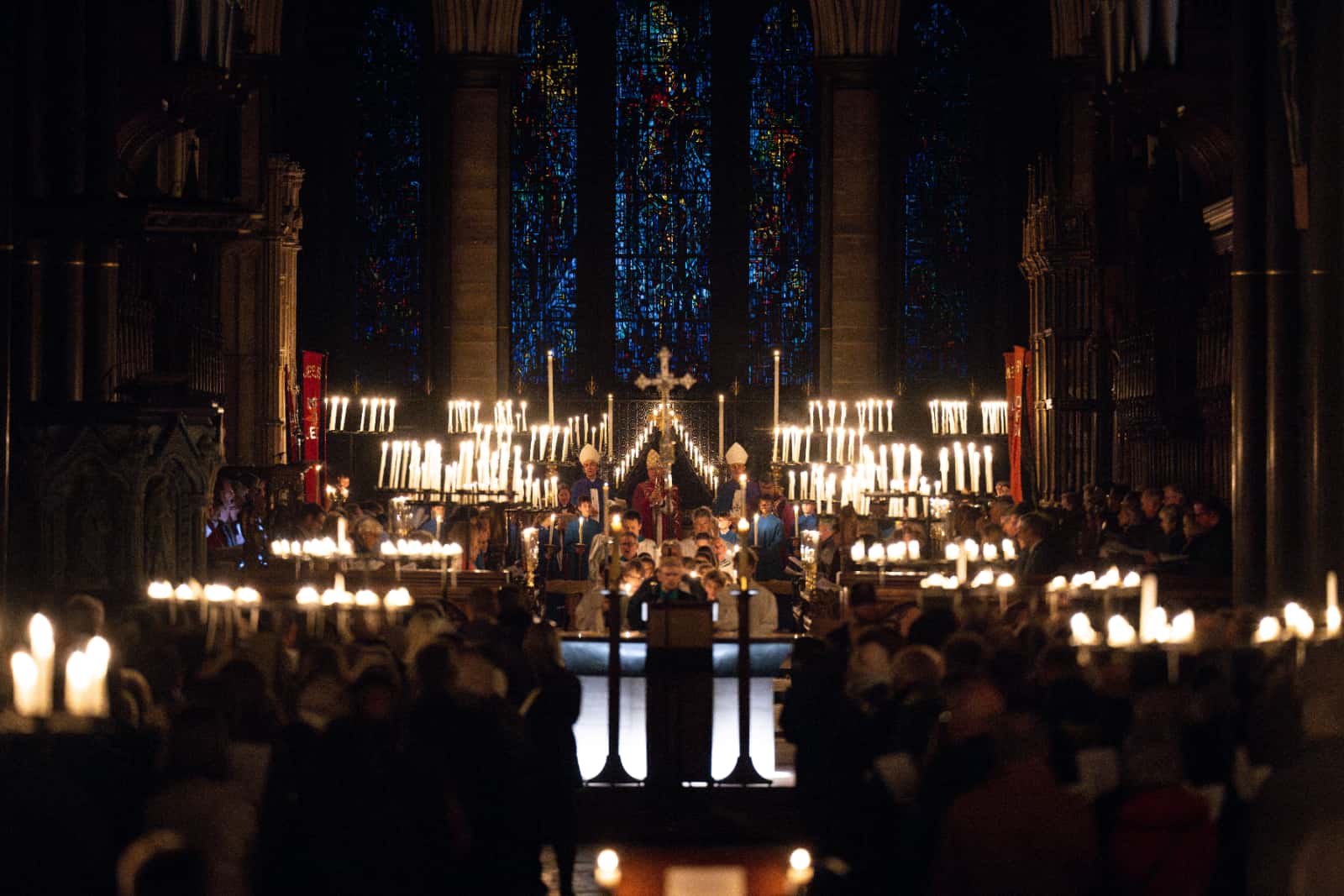
Chrism Eucharist: who do we see?
Bishop Andrew's sermon at the Chrism Eucharist, Maundy Thursday 2026

Bishop Karen's address at the Annual General Meeting for Diocesan Synod, June 2026
Welcome Synod. Much has happened since we last met, particularly Bishop Stephen having resigned as a Church Commissioner and stepped back from ministry, hence my speaking this evening. It has been an unsettling time for many. There has been much uncertainty, diary events to manage, and the investigation highlighted in our communication with you and in the press has gone on much longer than anyone at first thought. Bishop Stephen and Carole have been cared for throughout by Bishop Tim and others, whilst those charged with caring for the diocese have concentrated our efforts on doing just that.
We feel very much supported by the National Church institutions, which include Lambeth Palace and the Church Commissioners Bishoprics department, and will bring you further news as and when we receive it.
Last time we met, there was some criticism of the fact that we have a presidential address. The role of bishops in diocesan synods is multifaceted, encompassing both leadership and participation. Bishops serve as a visible principle of unity within the church and are responsible for the governance and direction of their dioceses. They lead the vision and mission of the diocese, ensuring that both are reflected in the decisions and actions of the synod. A bishop also supports the mission of the church by prayer and example, supporting the spiritual life of diocesan clergy and parishes. Therefore, as Acting bishop, not for the first time, I take those responsibilities seriously and want to use this address to highlight some of our celebrations and challenges.
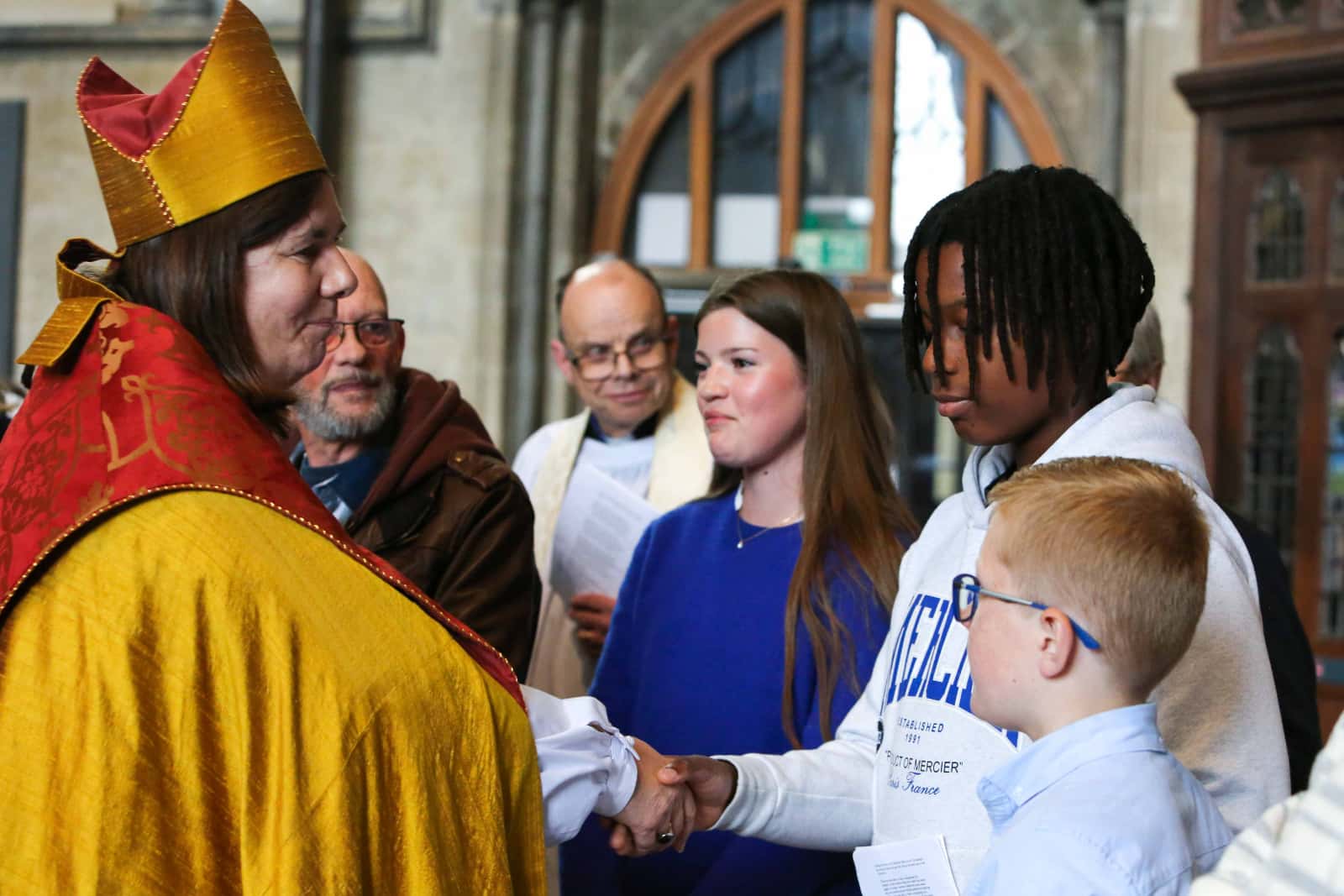
Even though we are walking through a difficult period, there have been many good news stories, where God’s light and love have broken through. A month ago, around 50 people were confirmed in the Cathedral from schools and churches across the diocese, one of many confirmation services this year. Two weeks ago, our Cathedral for four days was filled with 100s of Year 6 leavers from schools across the diocese who came together for activities and a service; Over the last few weeks 100s of churchwardens have been sworn into office, supported by their clergy and friends during many archdeacons visitations; Almost 90 volunteers gathered three weeks ago at Emmaus House for a day of celebration and training. Many enjoyed the Sudan Medical Link Fete in the grounds of the Cathedral school, and £10,000 was raised for our link dioceses of Sudan and South Sudan. Last week, five new Canons were welcomed into the College of the Cathedral, two lay, two parochial clergy, and one of our hospital chaplains and the Mothers’ Union celebrated 150 glorious years. Since Easter, at least ten appointments have been made to vacant posts, including a new Dean of Guernsey, yet to be announced. Six Licensed Lay Ministers are coming to the end of their training and will be licensed in September. Almost 70 people have been commissioned as Lay Worship Leaders and Lay Pastoral Assistants so far this year, and the numbers entering the vocations process continue to grow, with 30 new enquirers since January. The Elizabeth Pathway, a new route to ordination, started last year at Sarum College with two participants from this diocese, both have got through Stage two and will be ordained in 2027. A further eight people may commence on that Pathway this year.
I would like to pay tribute here to James Woodward, who retires this week as Principal of Sarum College, and to Bishop Alistair Redfern, who retires as Chair of the College Council. Both have done so much to revitalise Sarum as a number one choice for so many ordinands and a creative place to study and grow. James will be replaced in the autumn by Rob James, and Bishop John Inge has taken over as Chair of Sarum College Council.
We also, at the end of April, said a fond farewell to Bishop Andrew and Rebecca.
It is good, particularly at this time, to have a number of retired bishops in the diocese, including the former bishops of London, Truro, Exeter, Worcester and St Albans. John Inge, especially, is supporting Archdeacon Louise and me at this time, with licensings, new PTO requests and appointments.
We give thanks too for the ministry of Tim Barker, Dean of Guernsey, who retires at the end of the month, and pray for him and Judy as they move back to England.
Finally, across the diocese, we look forward to the ordinations this coming weekend, with six being ordained Deacon, and seven being ordained priest, and this, God willing, will be the first time a woman has led an ordination service in the long life of Salisbury Cathedral.
Not only through significant events does God’s light shine, but throughout the diocese in town and village, as we keep the light of Christ alive in each of our communities, as so much is happening through our work, worship and witness where God has placed each of us to be. Thank you.
Yet, we also meet at a time of challenge. I have recently sought to bring together some of the important work of our finance, deployment planning, and property work to highlight the challenges facing us. There is no doubt about it but parish share is not able to sustain the level of ministry we hoped to have when the new share scheme was launched. We hoped to retain the current level of around 150 clergy. Share and stipendiary ministry are intrinsically linked, and when there is a significant deficit, we have to think in the round about how we use our assets, how we realistically care for the cure of souls across two counties. Things are very much creaking, so we urgently need a plan which includes pathways to ordination, which includes the development of lay ministry, but also includes a realistic level of posts, a reduction of the headcount at Emmaus House without losing essential ministry support and the sale of some of our surplus assets as a pragmatic response.
We are planning through the Archdeacon Mission and Pastoral Committees with our Rural Deans and Lay Chairs to increase partnership between benefices, within deaneries and through our mission hubs to develop missional areas which are sustainable, that build on the gifts of lay and ordained together, the practical and the spiritual, and where there is a realism about some of our smaller churches. We hope resources will be produced to help small churches thrive with a missional cell group focus; to help teams be built and clergy develop their leadership, as well as being supported in their well-being.
There is also though the need for a spiritual response. Last year, a collective total of over £780,000 was raised in contactless and online giving by parishes across the diocese, but that increase was not reflected in the payment of parish share. Giving to ministry as well as to our church buildings is necessary and we each need to do all we can to maintain adequate ministry levels. Should I be standing here in the early autumn, I will be calling the diocese to prayer about the challenges facing us, and ask that active members of the church give all that they can to meet share payments this year. I believe God honours faithful giving.
It is also important that we maintain ‘Share’ or our common fund. I am grateful to James, who tonight will highlight the needs of our more deprived communities, where ministry is essential; however, where ministry needs to be subsidised from generous giving elsewhere. We can no longer afford to consider parish to diocese share payments in isolation, but need benefices to support one parish to another in sharing the cost of ministry received through paying full share.
I am confident that we can meet the challenges facing us. We have a good team, and I would like to pay tribute here to all those who serve the diocese in formal ways, the leadership team and those who work at Emmaus House; we have all pulled together in an extraordinary way. I am grateful to all our clergy and everyone who serves, many of whom have been reflected somewhere in my report today.
I have been very aware these past few months of people’s prayers, and thank you for them. There are huge challenges and we do not know what the future brings, so I want to end with some extracts from St Paul’s second letter to the Corinthians, which highlights our own humanity and God’s strength, and the fact that God’s light can shine, even through our faltering efforts and during what is not an easy time:
‘Therefore, since it is by God’s mercy that we are engaged in this ministry, we do not lose heart.’
For it is God who said, “Light will shine out of darkness,” who has shone in our hearts:
7 But we have this treasure in clay jars, so that it may be made clear that this extraordinary power belongs to God and does not come from us.
Amen
Bishop Andrew's sermon at the Chrism Eucharist, Maundy Thursday 2026
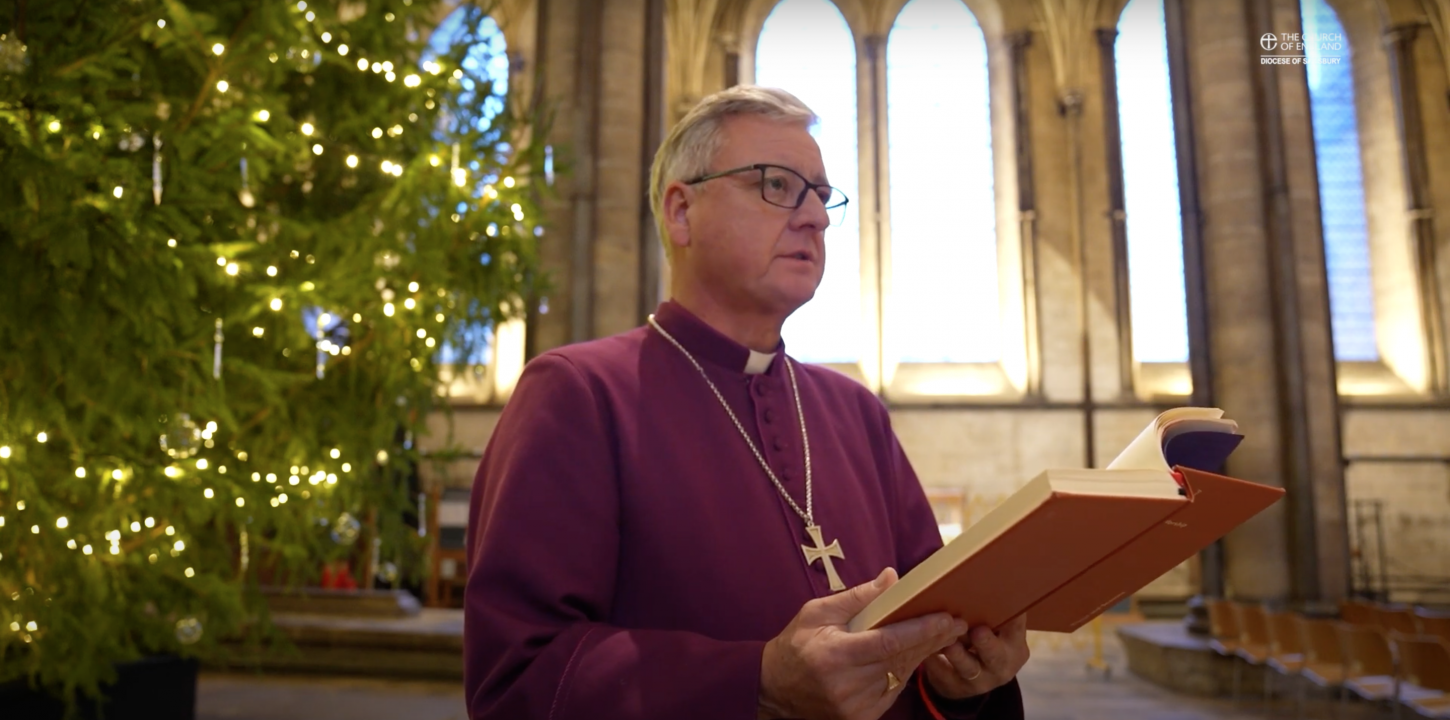
Christmas is our homecoming - and Christ is at the heart of our hope for the future, says Bishop Stephen in his Christmas Day sermon at Salisbury Cathedral
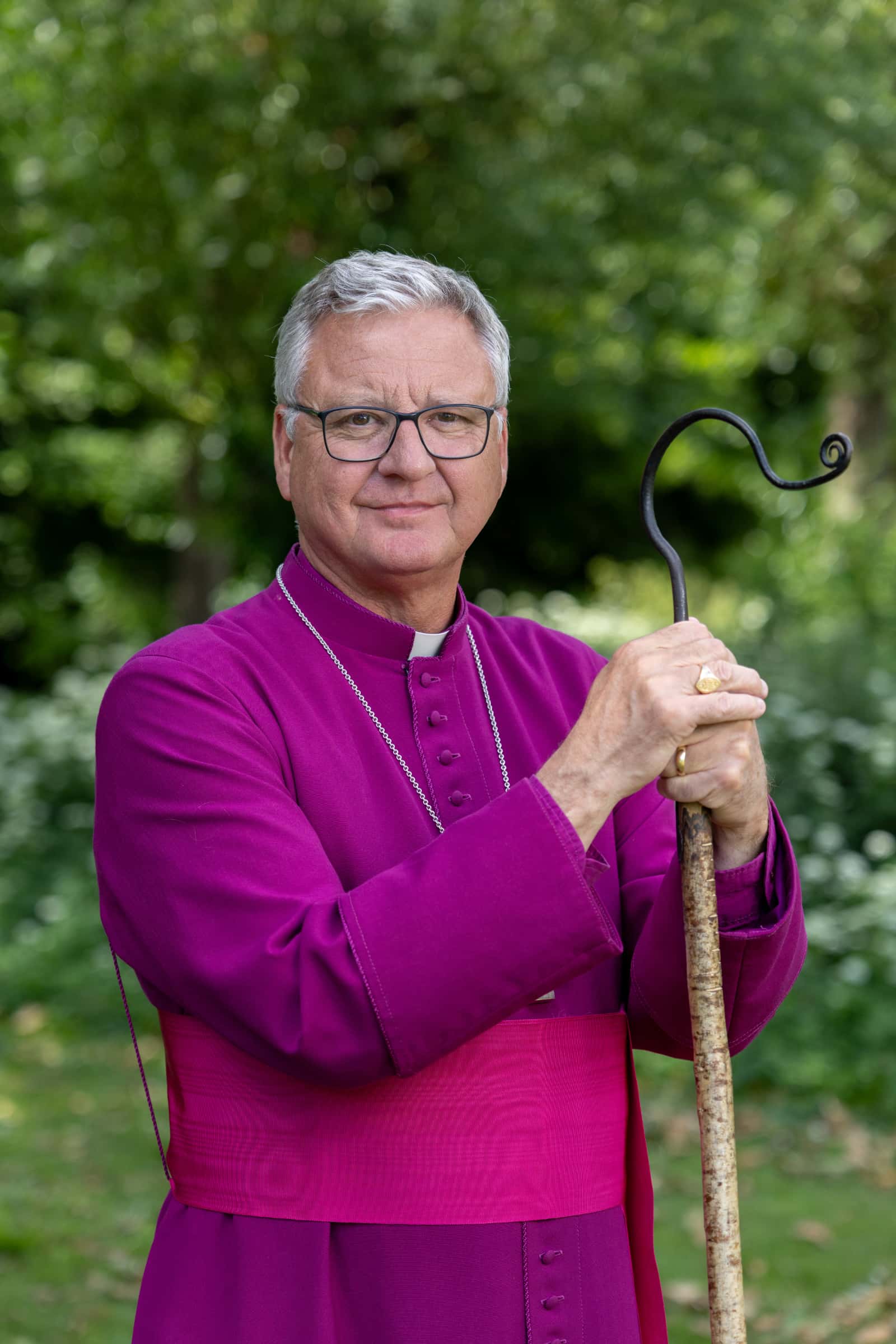
Bishop Stephen's address to diocesan synod, October 25: 'let us be about impact rather than impasse'
The end of June and beginning of July is ordination season. Not only do we celebrate with those who are the new revs.
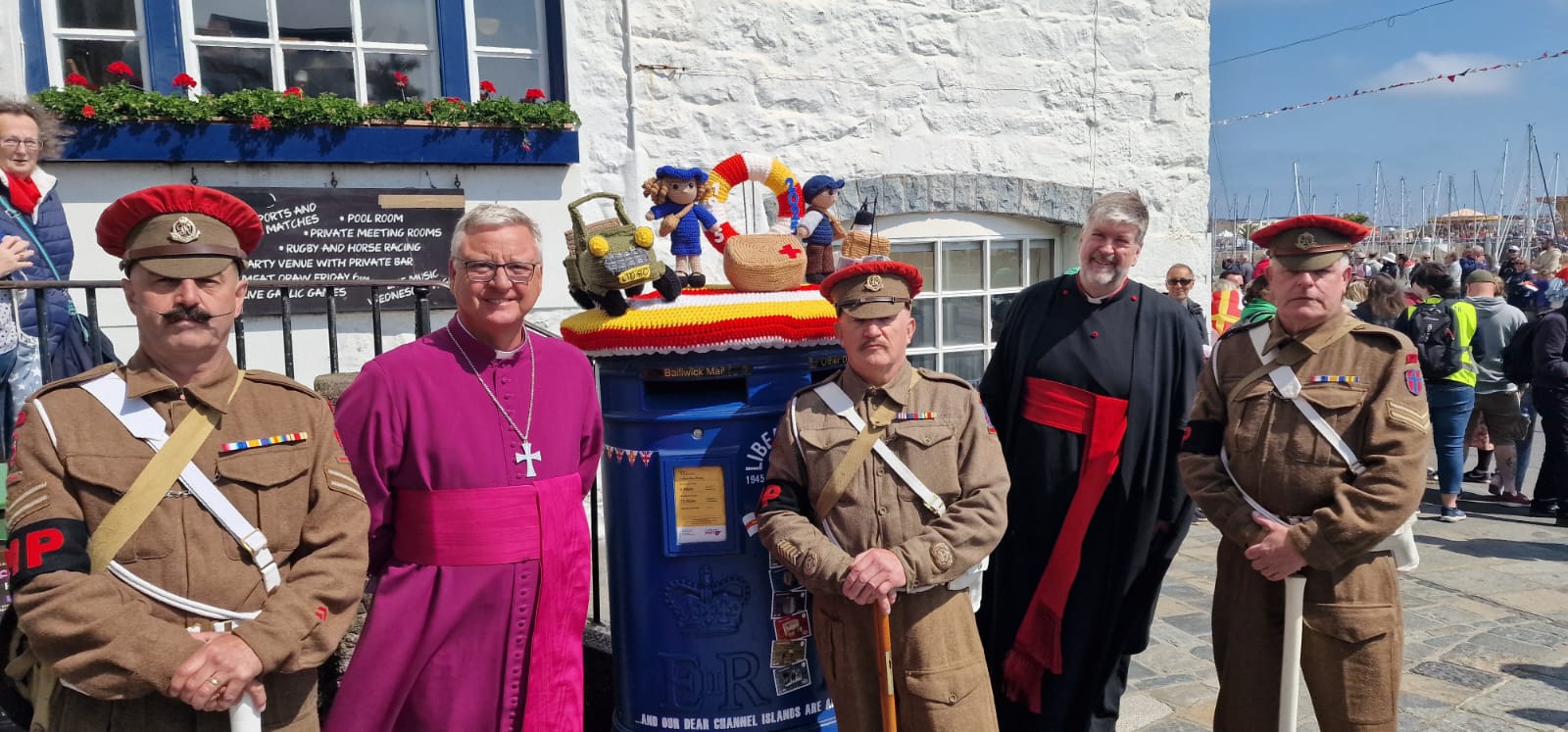
80 years is a lifetime. 5 years of - when would it end occupation - will have felt like a lifetime and was indeed the end of a life for some.
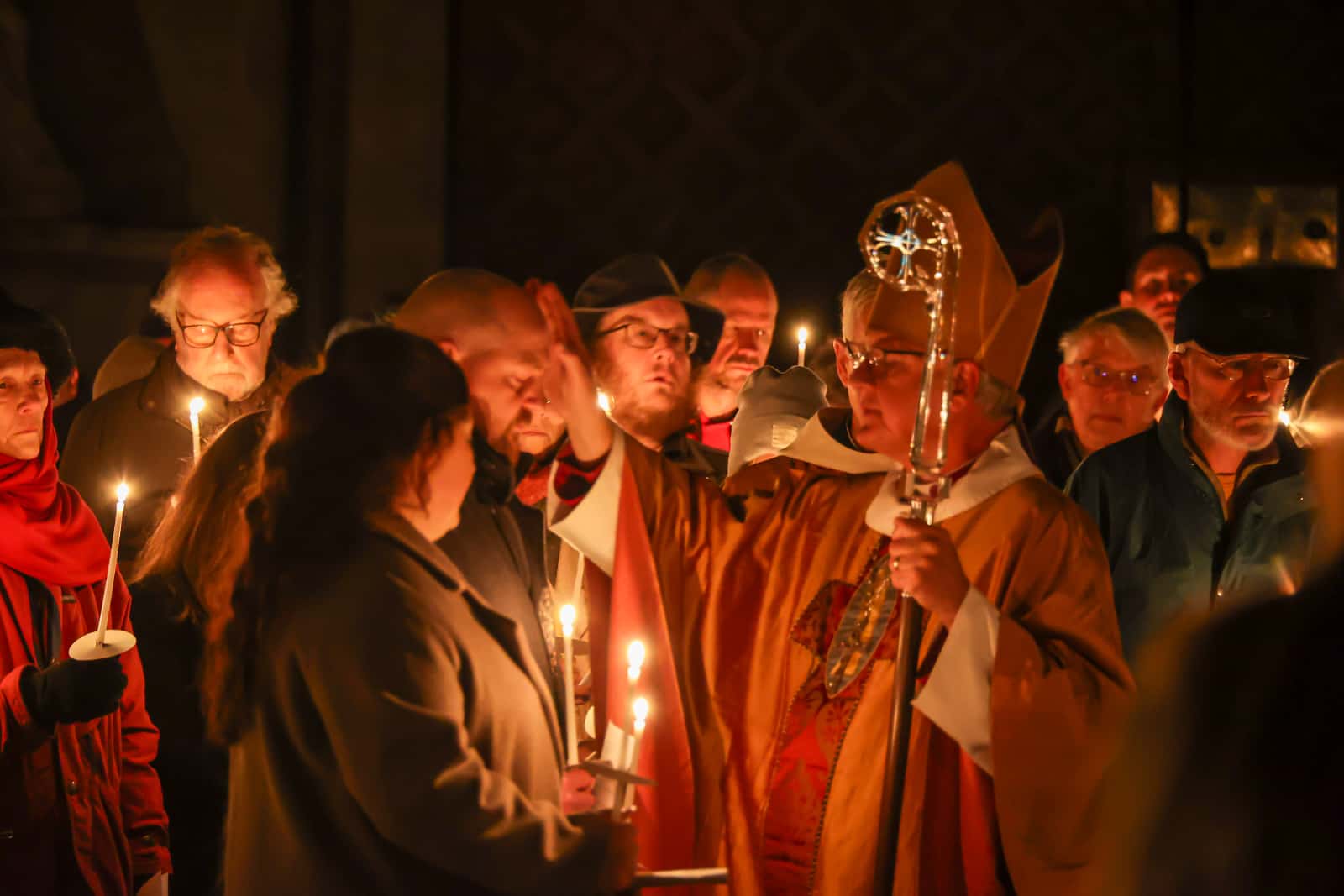
Bishop Stephen baptised and confirmed people in a dawn service outside Salisbury Cathedral on Easter morning, followed by speaking at the Eucharist.

Bishop Stephen preached the sermon at the Chrism Mass on Maundy Thursday, speaking on the need for leaders in the Church to be foot washers of the Kingdom of God.
The danger in uncertain times is we seek comfort in certainty, said Bishop Stephen in his presidential address to diocesan synod.
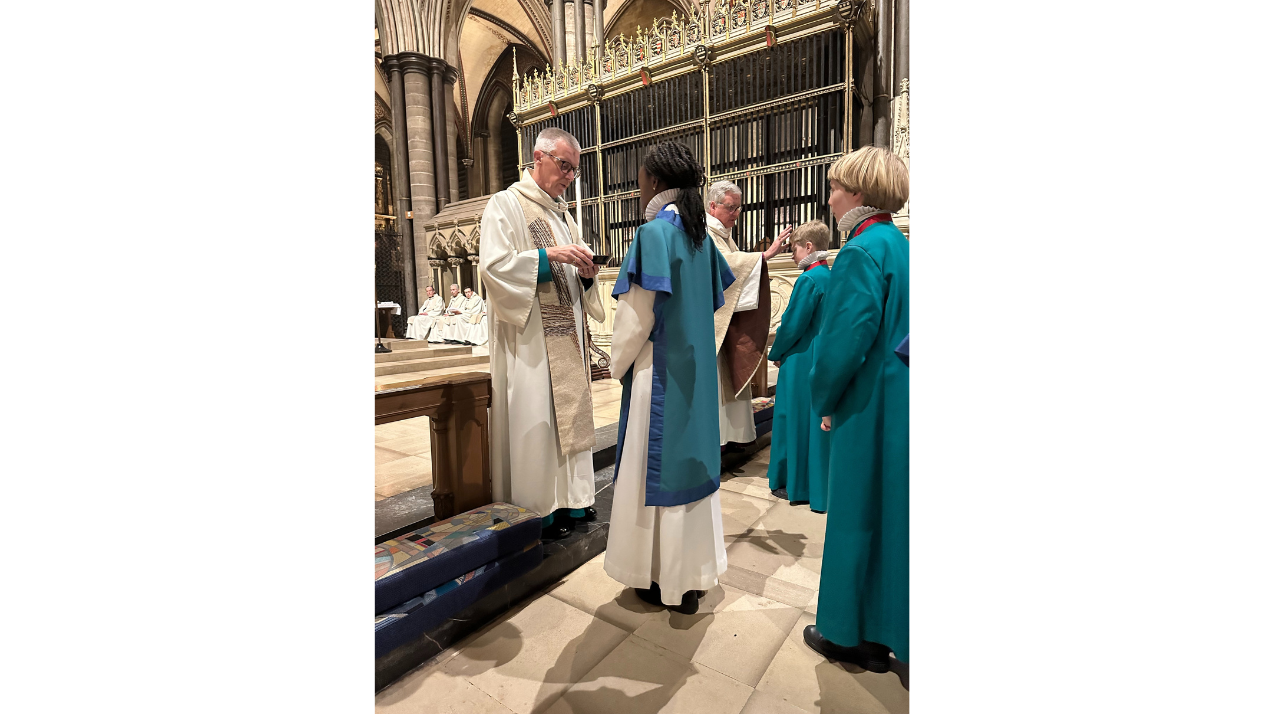
Lent is our time to decide what to do next - as individuals, and as a Church shaken by past failures in safeguarding, says Bishop Stephen.
We move from darkness to light. We do not move from light to darkness. On Thursday Parliament voted to move…