
News and future dates from The Gypsy Roma Traveller Chaplaincy
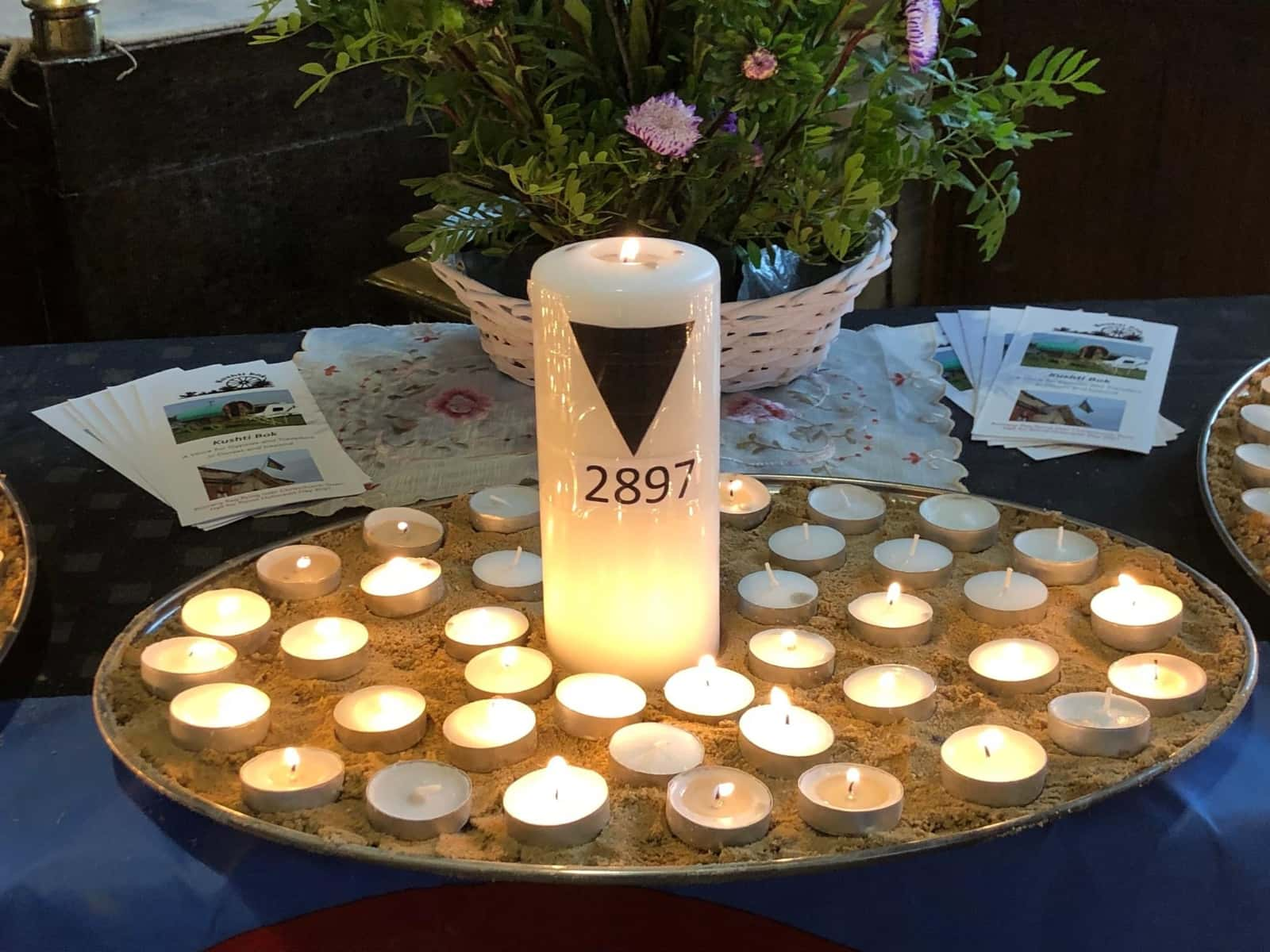
Roma Holocaust Memorial Day Join the 10th Annual Roma Holocaust Memorial Service on 2 August 2026 at 15:00. Marking the…

The Church of England needs to do more to combat racism against Gypsy Roma and Traveller communities, a major conference heard. More needs to be done to combat racism against…
The Church of England needs to do more to combat racism against Gypsy Roma and Traveller communities, a major conference heard.
More needs to be done to combat racism against Gypsy, Roma and Traveller communities, seven years on from a landmark debate on the issue at the General Synod, the joint lead bishop for racial justice has said.
The Bishop of Croydon, Rosemarie Mallett, said the Church of England needs to respond ‘visibly, loudly and practically’ to tackle prejudice against Gypsy, Roma and Traveller (GRT) communities.
“We are a church that has promised much, let us be known for what we do,” she said.
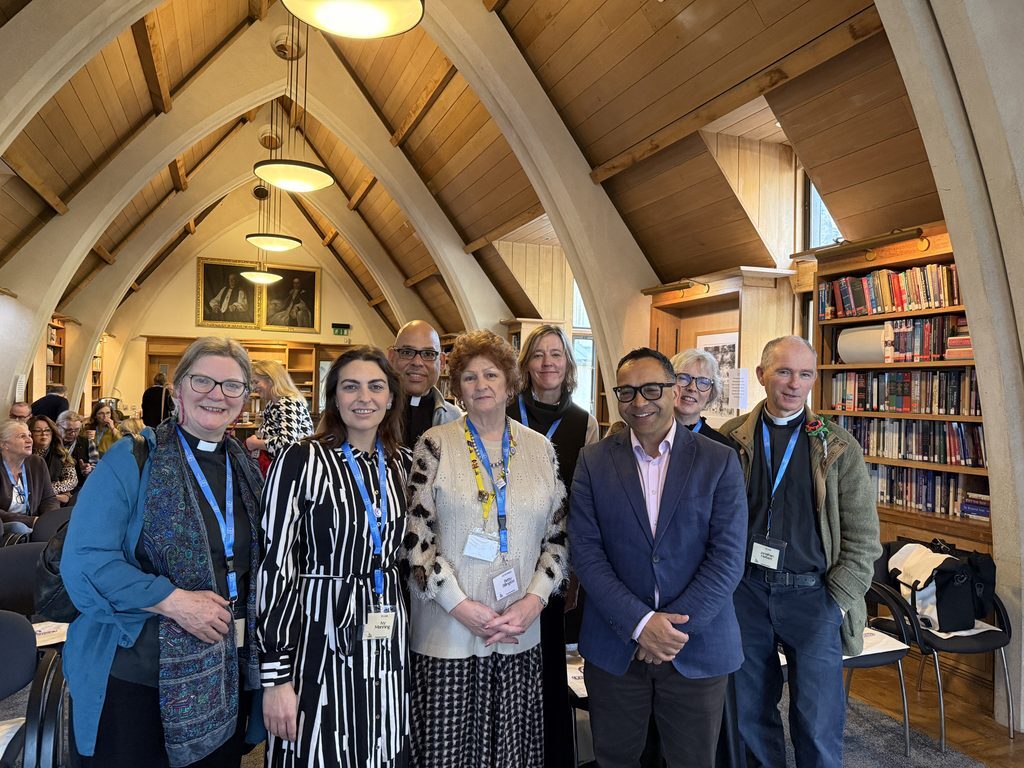
Bishop Rosemarie was speaking at the Sanctuary Roads II conference, hosted at Southwark Cathedral backed by funding from the Church of England’s Racial Justice Unit and organised by the Diocese of Salisbury and Gypsy, Roma, Traveller Friendly Churches.
The conference is the second to discuss progress achieved since the General Synod voted in 2019 to combat racism against GRT communities. The inaugural conference was held last year in Salisbury Cathedral.
Krish Kandiah, founder of the Sanctuary Foundation, spoke to the conference, which was attended by members of Gypsy, Roma and Traveller communities and church leaders from the Church of England and ecumenical churches. He said the work being done to combat racism and bring polarised communities together was “not without cost” but what was being modelled was the “incredible welcoming love of God”.
The conference heard about the shortage of land for Gypsy and Traveller sites, exacerbated by the lifting of the statutory duty in 1994 on local authorities to provide sites.
Diocesan chaplain to the GRT communities, Rev Jonathan Herbert, described how the Diocese is working to build relationships, identify land and engage with local communities to create sites.
“Making land available for sites would show that the Church of England is serious about its commitment to justice for Gypsies and Travellers, for actions always speak louder than words,” he said.
The conference also heard from Canon David Pain, Diocesan Secretary and Chief Executive Officer for Salisbury Board of Finance, Salvation Army officer David Blowers, Rosemarie Davidson, the Church’s national minority ethnic vocations officer, and Andrew Hill, a Licensed Lay Minister in the Diocese of Rochester.
Andrew Hill spoke of his experience in funeral ministry with the English Romany Gypsy community.
“What matters is trust, presence and compassion,” he said.
“The church’s calling is not simply to welcome people who feel comfortable about crossing its thresholds but to make sure that everyone knows that they are valued, and respected, and loved by God.”
Other speakers included Matthew Parker, headteacher at Wolvey Church of England primary school in Hinckley, Leicestershire, which was named Equity and Inclusion Organisation of the Year.
The award highlighted “transformational work” by the school with its local Gypsy, Roma and Traveller (GRT) community.
Roma Holocaust Memorial Day Join the 10th Annual Roma Holocaust Memorial Service on 2 August 2026 at 15:00. Marking the…

A conference seeking to deepen the relationship between Gypsy, Roma and Traveller communities and the Church of England has called…